
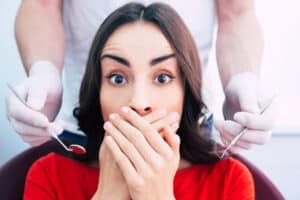
If you’ve ever gagged while getting a dental impression or even during a routine cleaning, you’re far from alone. A sensitive gag reflex is a very common concern, and for many patients, it can make dental visits uncomfortable, if not unbearable. At Dr. Louis Siegelman’s New York City practice, this issue is treated with the understanding and experience it deserves.
Dr. Siegelman is a board-certified dental anesthesiologist who specializes in treating patients with dental anxiety, special healthcare needs, and heightened sensitivity. His practice uses a personalized, respectful approach to help every patient receive the care they need — comfortably.
What Causes a Strong Gag Reflex?
The gag reflex is your body’s natural defense mechanism against choking. It’s triggered when something touches the soft palate, back of the throat, or even the back of the tongue. While this reflex is important, it can be overly sensitive in some people, especially during dental work.
There are several reasons someone may have a strong or easily triggered gag reflex:
- Anatomy: Some people simply have a more sensitive palate or throat area.
- Anxiety: Feeling tense or fearful can heighten all sensory responses, making the gag reflex more likely to activate.
- Past trauma: A bad experience at the dentist or with medical care can lead to an overactive gag response.
- Neurological conditions: In some cases, conditions affecting the nervous system may increase sensitivity.
Why It Matters at the Dentist
A strong gag reflex can make even routine procedures (like X-rays, impressions, or cleanings) difficult. You may feel embarrassed or avoid the dentist altogether. That’s why Dr. Siegelman takes time to understand the root of your experience and adjusts techniques to reduce discomfort.
What Can Help?
- Breathing and Positioning TechniquesSimple changes in breathing or head positioning can reduce the likelihood of gagging. Our team will guide you through calming breathing patterns and adjust your chair to ease pressure on the soft palate.
- Distraction and Relaxation ToolsWeighted blankets, noise-canceling headphones, and other sensory tools help relax your body’s physical response to triggers.
- Numbing Sprays or Topical AnestheticsA numbing gel or spray may be applied to reduce the sensation in the back of your mouth.
- Sedation OptionsNitrous oxide (laughing gas), oral sedation, or IV sedation can significantly suppress the gag reflex. Dr. Siegelman carefully tailors sedation based on your medical history and comfort level.
You’re Not Alone—And There Is Help
A strong gag reflex is nothing to be ashamed of. At our NYC practice, we treat it with the same care and clinical attention as any other dental concern. We’ll work with you to create a strategy that helps you feel calm, safe, and in control during every step of your visit.
Ready for a more comfortable dental experience? Contact (212) 974-8737 to schedule a consultation with Dr. Siegelman’s dental team and learn how gentle, customized care can make all the difference.